Introduction
I put this complete checklist together to help you choose, buy, and maintain a spritzer dispenser and the mineral water that fits your budget—without wasting time. Updated for 2025, it reflects how most of us actually shop in Malaysia today: on our phones during a commute, on a laptop between tasks, or quickly at the supermarket when stock at home runs low. Throughout this guide, I point out affordability tips in RM, mobile-friendly steps for a smooth experience, and simple maintenance practices so your dispenser stays clean, safe, and efficient. If you prefer to jump straight into browsing and buying, you can start with the spritzer dispenser and come back to this checklist whenever you need a quick reference.
Think of this as your step-by-step companion: I walk through categories, featured product types, brand background, and delivery options. I also include a handy comparison table and concise FAQs. By the end, you’ll know how to choose the right bottle size, match it to a compatible dispenser, plan deliveries around your schedule, and keep ongoing costs low. Let’s begin.
Browse Categories
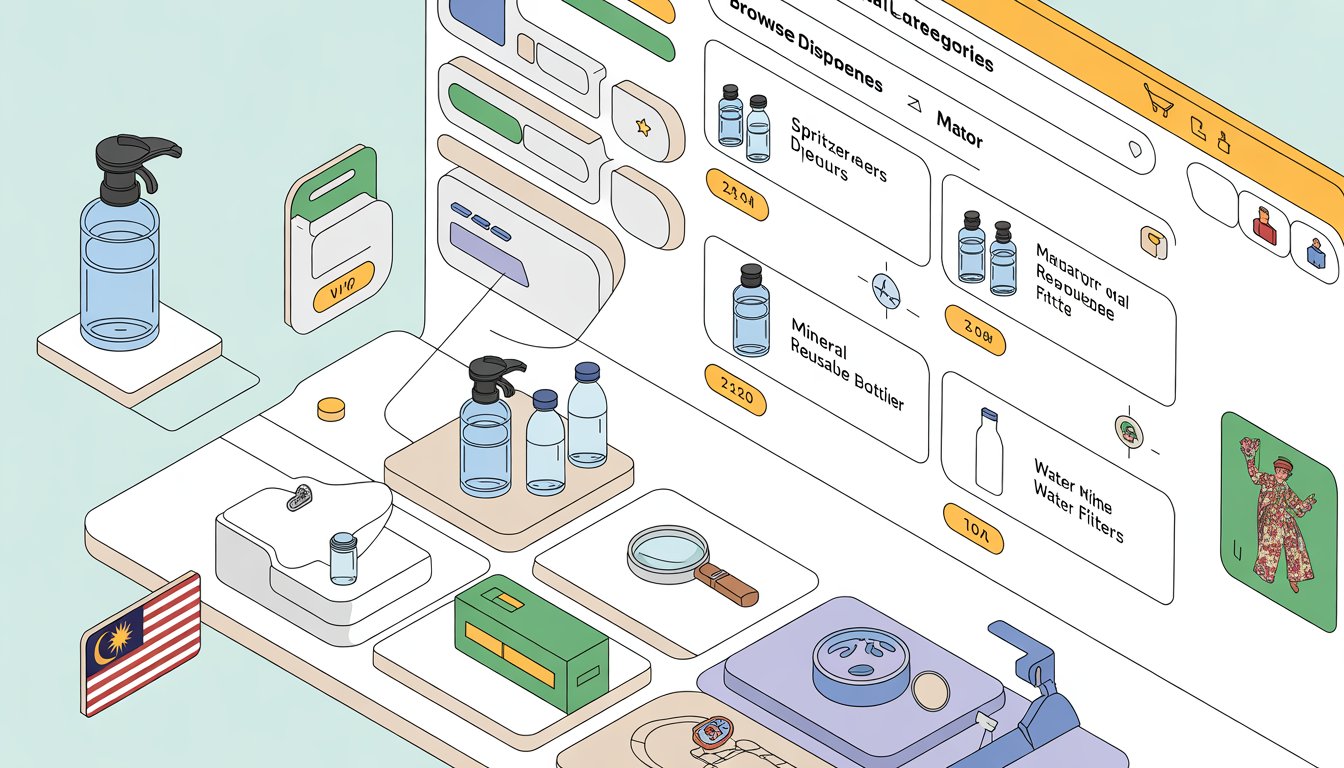
Understanding the structure of online store categories can make finding the perfect spritzer dispenser or mineral water much easier, especially when shopping in Malaysia. These categories are designed to help you navigate quickly, whether you’re looking for bottled water, dispensers, or accessories. By focusing on your specific needs, such as budget or usage scenario, you can refine your search efficiently and avoid unnecessary browsing. This approach not only saves time but also enhances your overall shopping experience with better SEO-optimized filters for keywords like ‘water dispenser Malaysia’ and ‘affordable water delivery’.
Natural Mineral Water
When I navigate the Natural Mineral Water category, I start by matching bottle sizes to real-life use. Small bottles (350–600 ml) are ideal for travel, workouts, or school lunches, while mid-size (1.5–2.0 L) covers daily home hydration. Larger formats, like 5 L or 9.5–12 L, are budget-friendly over time and pair perfectly with dispensers, especially if you’re serving a household or small office. This variety ensures there’s something for every lifestyle in Malaysia.
To save more, I compare price per liter rather than the sticker price. Multipacks often look pricier upfront but can lower the per-liter cost, helping you stretch your RM further across the month. I also consider storage: keep a few bottles handy, but avoid buying so much that you struggle for space or risk long exposure to heat in storage areas. Proper storage maintains the quality of the mineral water, which is crucial for taste and safety.
Lastly, I glance at basic mineral characteristics presented on product pages, such as the total dissolved solids (TDS) or any tasting notes. You don’t need a lab coat to decide—just look for consistency, clarity about source, and packaging quality. I find clear labeling and transparent sourcing to be reassuring indicators of quality. For those seeking eco-friendly water options, many products highlight sustainable sourcing practices that align with environmental goals.
Dispensers and Accessories
In Dispensers and Accessories, I choose the format that matches how and where I’ll use it. Countertop dispensers save floor space and fit small apartments; freestanding hot-and-cold units suit offices or family kitchens with more room. Manual pump tops are the most affordable and portable choice—great for picnics, temporary setups, or emergency water planning. These options cater to various needs, from home to office settings in Malaysia.
Compatibility matters. Most dispensers are designed for standard large-bottle necks, but I always check product details for specific bottle sizes (for example, 5 L vs. 9.5–12 L). If the product page lists collar types or adapter options, I match them to the bottles I plan to buy so I don’t end up with mismatched gear. Ensuring compatibility prevents frustration and ensures smooth operation of your spritzer dispenser.
From a cost perspective, I weigh upfront price against ongoing use. Manual pumps can be under RM50, countertop room-temperature options may sit in the RM100–RM300 range, and hot-and-cold freestanding units typically climb higher due to refrigeration and heating components. If energy cost is a concern, I look for energy-efficient models and use the hot function only when needed to keep the monthly electricity bill under control. This mindful approach helps in managing long-term expenses effectively.
Shopping Cart
Once items are in my cart, I pause for a quick sanity check. I confirm bottle sizes, quantities, and whether I selected the right dispenser type for those bottles. If there’s a price-per-liter or “savings vs. single units” note, I compare it with a mental baseline to avoid overbuying just because a discount looks tempting. This step ensures you’re getting the best value for your money.
I also preview delivery timing and fees. Some platforms show estimated slots and charges as soon as you view the cart—if it’s a tight week, I adjust quantities right there to avoid multiple deliveries. On mobile, the cart’s responsive design shopping should clearly show totals, promo code fields, and delivery details without extra taps; if anything looks confusing, I rotate the phone to landscape or open on a laptop for a final review. Mobile-friendly interfaces make this process seamless for users in Malaysia.
Lastly, I add one cleaning accessory if I don’t already have it—like a safe, food-grade sanitizing solution or bottle brush. It’s a small addition that helps me maintain the dispenser regularly and avoid build-up or taste issues later on. Regular maintenance extends the life of your spritzer dispenser and keeps your mineral water tasting fresh.
Select Category
When I’m unsure which aisle to enter, I let my primary constraint decide. If I’m short on budget this month, I start in Dispensers and Accessories to find a low-cost pump, then grab large bottles for value. If I already have a dispenser, I head straight to Natural Mineral Water and filter by size and price to refill economically. This strategy streamlines the shopping process.
On a phone, category tiles usually show quick labels like “Bottled Water,” “Dispensers,” or “Accessories,” and they load fast on cellular data. I pick the tile that solves today’s need, then bookmark the others for later. That simple habit keeps my checkout focused and my bill predictable. It’s particularly useful for busy shoppers seeking affordable water delivery options.
For families, I often recommend creating a recurring shopping pattern: one larger reorder each month for big bottles and a small weekly top-up for personal-size bottles. It keeps hydration convenient and spending steady. Over time, this pattern can lead to significant savings and better household management.
Site Map
If I ever get lost, the Site Map is my shortcut back to clarity. It lays out the full site structure in one place, so I can jump to categories, policies, or support pages without clicking through multiple menus. I use it to compare product sections side by side—especially helpful when searching for specific features like child locks, hot-and-cold settings, or energy ratings. This tool enhances navigation efficiency.
On mobile, a well-structured site map collapses neatly, allowing quick scanning. I expand only what I need to see, then follow that link. It’s a small habit that helps me avoid unnecessary taps and keeps my browsing time low. Responsive design ensures it’s accessible on any device.
Combined with the on-site search bar, the Site Map becomes a powerful tool: I skim category names, pick keywords from them, and then run a precise search if I still can’t find what I want. This combination is great for finding eco-friendly water options or specific spritzer dispenser models quickly.
Legal Information
I always check Legal Information for transparency around pricing, returns, and data privacy. For Malaysia-based shoppers, I expect clear disclosures about taxes included in RM pricing, warranty terms for dispensers, and how returns or exchanges work if an item arrives damaged. Knowing where the responsibilities lie saves time if you ever need support. This information builds trust in the purchasing process.
For dispensers, warranty coverage terms can vary by model, especially for components like compressors or heating elements. I read the warranty duration carefully and note any maintenance steps required to keep the warranty valid. It’s a small effort that can protect your investment later. Understanding these terms is essential for long-term satisfaction.
Lastly, I confirm accepted payment methods and security indicators at checkout. When the platform explains encryption and safe handling of payment data, it gives me peace of mind while paying from a mobile device. Secure transactions are crucial for online shopping in Malaysia.
Subscribe to Newsletter
Subscribing to a newsletter can be a simple way to catch sales and bundle deals on water and dispensers. I prefer newsletters that announce clear, time-limited promotions, so I can plan a monthly stock-up and avoid paying full price at the last minute. Savings often appear in the form of multipacks or accessories add-ons, and these can push the price per liter down nicely. It’s an easy way to stay informed about deals.
I also track delivery promos—free or reduced delivery fees can be more valuable than a small item discount. Over a few months, those RM savings add up, especially for families or small offices with regular consumption. If inbox clutter is a concern, I use a filter that routes delivery notifications to a dedicated folder. This keeps your email organized while benefiting from offers.
And if you try the newsletter and find it’s not helpful, unsubscribing is quick. You can always resubscribe before a peak season or when you plan a bigger purchase such as a new dispenser. Newsletters often include tips on maintenance and new product launches related to spritzer dispensers.
Featured Products
Exploring featured products for 2025, it’s wise to focus on items that align with your daily routine, considering factors like price per liter, maintenance requirements, and available space. Many people in Malaysia switch between portable bottles for on-the-go needs and reliable dispensers for home or office use. This section highlights popular choices with a comparison table to help you decide quickly, incorporating keywords like ‘mineral water’ and ‘water dispenser Malaysia’ for better search visibility. By evaluating these options, you can find affordable and eco-friendly solutions that fit your lifestyle.
| Item Type | Best For | Typical Price (RM) | Top Pros | Considerations |
|---|---|---|---|---|
| 500–600 ml Bottled Mineral Water (Multipack) | Commutes, gyms, school bags | RM10–RM25 per pack (varies by count) | Portable; portion-controlled; chill quickly | Higher cost per liter; more packaging to recycle |
| 5–12 L Large Bottles (for Dispensers) | Households, small offices, events | RM10–RM30 per bottle (size dependent) | Lower cost per liter; fewer reorders | Needs storage space; heavier to lift |
| Countertop Dispenser (Room Temp or Hot/Cold) | Daily kitchen use with limited space | RM100–RM500+ (by features) | Convenient; tidy footprint; quick access | Initial cost; periodic cleaning and maintenance |
Bottled Mineral Water
For portable hydration, I rely on 500–600 ml bottles. They fit cup holders, chill fast in a small fridge, and make daily intake easy to track: I simply count bottles to confirm I’m drinking enough. The trade-off is cost per liter—convenience carries a slight premium versus large formats. These are perfect for busy lifestyles in Malaysia.
When stocking home, I add a few 1.5–2.0 L bottles to the pantry because they bridge the gap between travel and dispenser use. If the price per liter is close to large formats, I buy more of them in a single order to minimize delivery fees. I also check that packs are easy to carry into the house if I live in a walk-up or have limited storage. This size offers versatility for various needs.
Recycling matters to me, so I flatten empties and group them neatly. If the label mentions recycled content or lighter-weight bottles, that’s a plus from a sustainability and storage standpoint. Over time, those details make a difference in clutter and environmental impact. Choosing eco-friendly options supports broader sustainability efforts.
Water Dispensers
For a low-cost start, a manual pump on a 5–12 L bottle is hard to beat. It’s simple, portable, and has no electric parts to maintain. The downside is the manual effort and lack of chilling or heating, but for budget-conscious scenarios, it’s excellent. This option is ideal for those new to using a spritzer dispenser.
Hot-and-cold units add real convenience—instant tea, quick meals, or refreshing cold water anytime. I examine energy use, noise levels, and safety features like child locks and thermal cutoffs. If the unit has an energy-saving mode or a switch to disable heating when not needed, it helps keep monthly electricity costs predictable. These features enhance usability in home or office settings.
Placement matters: I set the dispenser on a stable, level surface and ensure enough clearance for bottle swaps. When choosing between bottom-load and top-load, I consider weight-lifting comfort and aesthetics. Bottom-load models cost more but save my back; top-load is usually less expensive and easier to service. Proper placement ensures safety and longevity.
Eco-Friendly Options
I look for packaging that balances durability with reduced material weight. Some lines use recycled content or offer returnable bottle programs, which can lower environmental impact and sometimes reduce cost. If you’re committed to sustainability, pairing a durable dispenser with large refill bottles can be the most efficient setup. These choices align with eco-friendly water options trending in Malaysia.
At home, I keep a few reusable cups or bottles on rotation to cut down on single-use plastics. When guests come over, I set out a stack of washable tumblers near the dispenser to encourage refills. It’s a simple routine that keeps both costs and waste down. This practice promotes a greener lifestyle.
Transport and storage also influence footprint. I group orders into fewer deliveries when possible and store bottles in a cool, shaded area to maintain quality. Those habits align with both budget and eco goals. Overall, eco-friendly options contribute to long-term sustainability.
About Spritzer
Spritzer has established itself as a trusted name in natural mineral water in Malaysia, emphasizing quality sourcing and reliable products. This section delves into the brand’s background, sustainability initiatives, and health benefits, providing context for why it’s a go-to choice for many. By understanding these aspects, you can make more informed decisions when selecting a spritzer dispenser or bottled water. Keywords like ‘mineral water’ and ‘eco-friendly water options’ highlight the brand’s commitment to quality and environmental responsibility.
Our Story
Over decades, the Spritzer name has grown alongside Malaysia’s hydration habits—serving households, workplaces, and travelers alike. The story is one of scaling from bottled water to complete hydration solutions that include dispensers and accessories. What I appreciate most is the practical approach: make clean, mineral-balanced water accessible in formats that suit daily life. This evolution reflects changing consumer needs.
As online shopping accelerated, the range adjusted for multi-channel buyers who browse on mobile and buy on desktop, or vice versa. That flexibility shows up in neatly organized categories and clear labeling. For me, this predictability shortens decision time and reduces the chance of ordering the wrong item. It enhances the responsive design shopping experience.
In short, the brand’s story is about meeting people where they are—home kitchens, small offices, gyms, or on the road—and offering a consistent experience across formats and budgets. This customer-centric approach has built lasting loyalty in Malaysia.
Sustainability Efforts
Sustainability, for me, starts with packaging and logistics. Incremental improvements—like lighter bottles, recycled content, or efficient distribution—add up across millions of units. I watch for signs of these efforts in product descriptions and updates, because they often align with affordability over time. These initiatives demonstrate a commitment to the environment.
At home, I amplify those efforts with simple habits: consolidating orders, using durable dispensers for large formats, and recycling responsibly. The fewer deliveries I need and the more I reuse, the lower my personal footprint. These steps also reduce clutter and costs—win-win. They complement the brand’s eco-friendly water options.
As with any brand, I look for transparent communication about environmental goals and progress. Measurable improvements, even small ones, matter when multiplied by everyday use. This transparency builds trust and encourages sustainable practices among consumers.
Health Benefits
Natural mineral water supports daily hydration with a consistent mineral profile. I don’t chase complicated chemistry; instead, I value clarity in labeling and a taste I enjoy drinking all day. Consistency makes it easier to hit hydration goals without overthinking. It’s a simple way to maintain wellness.
If you have specific dietary or medical questions, it’s always wise to consult a healthcare professional. For general wellness, I treat mineral water as a dependable hydration choice alongside balanced meals and regular activity. When cold water is ready at a dispenser, I notice I naturally drink more throughout the day. This can lead to better overall health habits.
Finally, cleanliness influences benefit. A well-maintained dispenser preserves taste and quality, making it more likely you’ll keep reaching for water instead of sugary alternatives. Regular upkeep ensures you maximize the health benefits of your mineral water.
Delivery and Services
Effective delivery and services are crucial for maintaining a steady supply of mineral water and spritzer dispensers without interruptions. In Malaysia, options range from home deliveries to supermarket pickups, allowing flexibility based on your schedule and location. This section covers key aspects to help you plan efficiently, incorporating affordable water delivery tips for cost savings. By optimizing your approach, you can ensure consistent access to quality hydration solutions.
Home and Office Delivery
I check coverage and slot availability early, especially before public holidays or busy weeks. If delivery fees vary by order size, I batch items to meet any free-delivery threshold or to minimize per-order charges. For apartments or offices with strict security, I add delivery notes to make drop-offs smooth. This preparation ensures reliable service.
Contactless delivery remains convenient. I leave a sturdy, shaded spot by the door for large bottles and ask drivers to place them there. If the service offers empty bottle returns or recycling guidance, I follow it—it tidies my space and can sometimes offset future costs. These features enhance the overall delivery experience.
In case deliveries run late, having two spare bottles on hand is my safety net. It prevents overpaying at the last minute and keeps everyone hydrated without stress. Planning ahead like this is key for consistent affordable water delivery in Malaysia.
Supermarket Availability
I like the flexibility of grabbing a few bottles at the supermarket when I’m already running errands. It’s perfect for trial sizes, testing new formats, or bridging a gap before the next scheduled delivery. I compare shelf prices with my usual per-liter baseline to keep spending in check. This option complements online shopping nicely.
For heavy items, I plan parking and a trolley in advance or bring someone to help. Managing the lift and stairs is much easier when I think about the logistics first. If I discover a great in-store deal, I adjust my next online order instead of buying duplicates. This strategy helps in managing costs effectively.
Multi-channel buying—some online, some in-store—keeps me flexible. I get reliability from subscriptions or scheduled deliveries and spontaneity from supermarket runs when the plan changes. It’s a balanced approach for busy lifestyles.
Customer Support
Good support saves time. I prefer channels with quick response, whether that’s chat, phone, or email, and I keep my order ID and product name handy to speed things up. For dispenser issues, I describe symptoms clearly—leaks, odd noises, or temperature problems—to help the team resolve them on the first try. Efficient support is essential for satisfaction.
Before reaching out, I run a quick self-check: Is the bottle seated properly? Are the switches on? Is the unit level and clean? These basic steps often fix minor issues and prevent unnecessary returns. Self-troubleshooting can save time and hassle.
For returns or warranty claims, I keep photos and receipts organized. A clear record shortens the process and increases the likelihood of a smooth resolution, especially for parts like compressors or heating elements that carry specific warranty terms. Proper documentation ensures better outcomes.
FAQs
Frequently asked questions provide quick answers to common concerns about spritzer dispensers and mineral water in Malaysia. This section addresses key topics like compatibility, maintenance, and delivery, helping you make informed decisions. By reviewing these, you can resolve doubts efficiently and enhance your shopping experience with relevant insights on affordable and eco-friendly options.
What bottle sizes fit a typical spritzer dispenser?
Most standard dispensers accept large bottles in the 5–12 L range with a compatible neck and collar. Always check the product description for supported sizes and any adapter requirements. If you’re using a manual pump, ensure its screw top or push-fit matches your bottle’s opening to prevent leaks.
How often should I clean my water dispenser?
I do a quick wipe weekly and a deeper clean every 4–6 weeks. Unplug the unit, drain, then clean reservoirs and spouts with a mild food-safe solution (some people use diluted white vinegar), and flush thoroughly with clean water. Regular cleaning preserves taste, keeps the unit efficient, and maintains hygiene.
How much electricity does a hot-and-cold dispenser use?
Power draw varies by model, but heating elements can be several hundred watts during active heating, while cooling uses less but runs more often. To control costs, switch off heating when not needed and keep the unit in a cool, ventilated spot. A reasonable monthly electricity impact is achievable with mindful settings and usage.
Is mineral water suitable for making infant formula?
Always follow guidance from your pediatrician or healthcare provider, as needs can vary. Many caregivers prefer boiled and cooled water for infant formula preparation. If you’re considering mineral water, confirm suitability and any mineral content considerations with a healthcare professional first.
What if delivery slots are full when I need a refill?
I plan a small buffer by keeping one or two spare bottles. If slots are full, I choose the earliest available slot and bridge the gap with supermarket bottles. For the future, I align recurring orders with typical usage so peak times don’t catch me off guard.